
Showing posts with label D. Appendix 1: research for main product. Show all posts
Showing posts with label D. Appendix 1: research for main product. Show all posts
Monday, 11 April 2016


Tuesday, 22 March 2016
Audiences and Institution: The Woman In Black
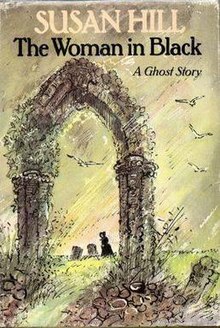 1. Who do you think the Primary and Secondary target audience is for The Woman In Black? Why?
I think that the primary audience are people who like horror films, especially of the supernatural kind. Due to the certificate (12) i would say that students are the main target as elder people may think that because it is only a 12 then it wont be that scary or gory. As for the secondary audience, i would say that people who are fans of Daniel Radcliffe would feel intrigued to see him in another role to Harry Potter and maybe also the parents of the children who are going to see it (e.g. the main theme running throughout is the relationship between parents and children). It could also have targeted the people who enjoyed the book and wanted to see it adapted to a film version.
2. How was The Woman In Black marketed?
There was a huge marketing campaign for The Woman In Black, including many interviews with Daniel Radcliffe who promoted the film and drew in Harry Potter fans because he wanted to get across to the audience that he could act in other roles and wanted to be taken more seriously as an actor. The film company also hired the space on the homepage of YouTube to get their film advertised, knowing that over a billion people a day use the site.

There were teaser trailers and posters released and adverts put in newspapers and magazines. An article on 'Screen daily' said how 'The Woman In Black promoted on new London tube WiFi service' and that 'Momentum Pictures is promoting the home entertainment release of The Woman In Black with a special initiative in conjunction with Virgin Media and MyMovies. On June 16 and 17, Virgin Media’s new WiFi service on the London Underground will host a previously unseen piece of video content for the hit horror film.'
There was then a main trailer and main poster released along with posts on a Facebook page and Twitter. Newspaper advertising was used a lot too, with double page spreads and front page stories.
3. Do you think the marketing materials for the film were appropriate? Why?
I think the marketing materials were right due to who their primary audience was. This was younger teens and by using Facebook, YouTube and Twitter, the advertisers managed to reach these younger teens and most of them would have used these social media sites. Their secondary audience were elder people, maybe the parents, and they targeted these people by putting adverts in newspapers (as elder people are more likely to read the newspaper than younger people, this is a good way of reaching them.
4. What kind of release did the film have?
This film had a big release and was released on February 3rd, 2012(USA) and was shown in 2,856 cinemas and 40 countries worldwide. With takings of $20,874,072 (USA) on the opening weekend, the film grossed $54,322,273 (USA) by 27th April 2012.
5. How much did The Woman In Black cost to make and what was the industry impact of The Woman In Black?
The Woman In Black had an original estimated budget of around £10.5 million, and had worldwide makings of £80,027,859, this became the highest grossing British Horror film in 20 years. Due to the large marketing campaign, there was a huge hype around this film, making it a definite 'must watch'.
6. Why do you think the film was so successful?

Monday, 30 November 2015
The Woman In Black
We chose 'The Women in Black' trailer because we believe it has a similar story-line too our movie; therefore this will be a good trailer to get inspiration from. We especially liked the fact that in between shots there was a blank screen with some sort of writing on. We will most likely be using something similar to this in our own trailer.
Ouija Official Trailer
Within the first 26 seconds of the film we see the first character’s death, which we know, is the catalyst for the occurrences of the rest of the film. This allows the trailer to gain the audiences attention and is also a way to set up the plot for the rest of the film. The fact that they installed the fear into the audience this early in the trailer makes the audience engaged in what they are watching, curious as to what the mystery of the film is. We also see a door opening by itself; this emphasis the 'fear factor'. This is shown in the first 13 seconds of the trailer and shows us that they are trying to evoke fear early on in the trailer. We plan to use this trailer to inspire our own; as we liked the idea of evoking fear early on in a trailer in order to capture the audiences attention and make them want to watch more in order to understand the story-line better. Also we liked the fact that in this movie they used a prop as the main weapon and the fact that the 'Ouija Board' is scary in real life makes the movie all the more realistic and we hope to capture that our own trailer.
Horror film trailers analysis
We chose 'The Women in Black' trailer because we believe it has a similar story-line too our movie; therefore this will be a good trailer to get inspiration from. We especially liked the fact that in between shots there was a blank screen with some sort of writing on. We will most likely be using something similar to this in our own trailer.
Within the first 26 seconds of the film we see the first character’s death, which we know, is the catalyst for the occurrences of the rest of the film. This allows the trailer to gain the audiences attention and is also a way to set up the plot for the rest of the film. The fact that they installed the fear into the audience this early in the trailer makes the audience engaged in what they are watching, curious as to what the mystery of the film is. We also see a door opening by itself; this emphasis the 'fear factor'. This is shown in the first 13 seconds of the trailer and shows us that they are trying to evoke fear early on in the trailer.
Tuesday, 20 October 2015
Film Distribution
What is meant by the term film distribution?
Film distribution is the process of making a movie available for viewing by an audience.
What does a film distributor do?
Finance: selection of films, rights, financing of prints and advertising.
Promotion: release date, organisation of advertising, partnerships,
Public relations, material (trailers, posters).
Bookings: negotiation with advertisers and cinemas which will play the film.
How does reach relate to film distribution?
‘Reach’ means the amount of people advertising and marketing reaches. If a film distributor decides to have a big reach then it is likely that it will be quite expensive as they will be advertising wherever they can which could increase the amount of people that watch the film. However, if it doesn’t work and the film is unpopular, (e.g. The Green Lantern) then the film could make a loss or a smaller profit.
What is meant by the distribution plan?
The distribution plan is made by management and is a plan that aims to transfer their film to retailers and customers, considering the budget of the film. This may come in the form of deciding the release date so it appeals to the audience (e.g. releasing a horror film near Halloween). They may also have to consider their target audience and put more into advertising in areas that their target audience would be more likely to see (e.g. teens are more likely to see trailers on YouTube or social media sites).
What is meant by the marketing plan?
A marketing plan identifies the objective and the time frame in with they have to complete those objectives. This plan identifies what its target audience would like which can be found out through market research which will also identify what the current market is like. You can market a film through many means: posters, trailers, online (social media sites) and critic reviews.
What is the difference between advertising, publicity and promotion?
Advertising- The materials a company will use to market their product (e.g. magazines, radio, newspapers etc.).
Publicity- This is the methods used to get the public’s attention of the product. In this case, actors may have 5 minute interviews on TV and talk about their film or in the form of premieres.
Promotion- To raise the public’s awareness of the product. A large part of this is merchandise which may be sold after cinema viewings or come free in a magazine.
SAW: The Final Chapter 3D
SAW 3D, distributed by Lionsgate films and produced by Twisted Pictures, was released in 62 countries and in its opening weekend, it was shown in 2,808 screens across the US and took $24,230,123 at the box office. It was shown in 382 screens in the UK and took £3,600,083 and was shown in 411 screens in Russia and took RUR 67,086,524.
https://www.youtube.com/watch?v=xC7yCELivB8 -Official trailer
https://www.youtube.com/watchv=wBCSASJrB6I&oref=https%3A%2F%2Fwww.youtube.com%2Fwatch%3Fv%3DwBCSASJrB6I&has_verified=1 -Teaser trailer
SAW: The Final Chapter 3D
SAW 3D, distributed by Lionsgate films and produced by Twisted Pictures, was released in 62 countries and in its opening weekend, it was shown in 2,808 screens across the US and took $24,230,123 at the box office. It was shown in 382 screens in the UK and took £3,600,083 and was shown in 411 screens in Russia and took RUR 67,086,524.
https://www.youtube.com/watch?v=xC7yCELivB8 -Official trailer
https://www.youtube.com/watchv=wBCSASJrB6I&oref=https%3A%2F%2Fwww.youtube.com%2Fwatch%3Fv%3DwBCSASJrB6I&has_verified=1 -Teaser trailer
 |
| Teaser Poster |
 |
| Official Poster |
Monday, 19 October 2015
The representation of women in relation to The Cabin In The woods (Goddard 2012)
1. What were Jeremy Tunstall’s 4 character roles
for women and do they apply to The Cabin in the Woods?
 Tunstall’s four character roles for women
were- Marital (women are meant to be good wives)/ Domestic (they should be good
cooks and cleaners and stay at home)/ Consumers (they are to do the shopping)/
Sexual (they are seen as sexual objects).
Tunstall’s four character roles for women
were- Marital (women are meant to be good wives)/ Domestic (they should be good
cooks and cleaners and stay at home)/ Consumers (they are to do the shopping)/
Sexual (they are seen as sexual objects).
In The Cabin in the Woods (CITW) there isn’t
really a stay at home housewife role as they are all teenagers. Yes, Dana isn’t
sexualised and sensible in relation to the others, she isn’t a marital figure
either. Jules is definitely the sexualised one as she is seen half naked and in
revealing clothes.
2. How is Dana typical of Clover’s ‘Final Girl’
theory?
 |
| Dana (far left) seen in clothes much like the males are dressed in |
3. Jules undergoes mental and physical transformations
during the film, what are they and how do they cause her to become a horror
archetype?

 At the start of the film you see Jules saying
that she has dyed her hair blonde. This is shortly followed by one of the
people underground saying that they put a chemical in it that increases pheromones
and ultimately will turn her into the ‘dumb blonde’ stereotype. Later on you
see the chemicals taking effect as she becomes even more sexualised and is seen
provocatively dancing and even making out with a wolf head. A few minutes later
you see her half naked in the woods with her boyfriend (Chris Hemsworth) and
then see her beheaded. This fits in with a typical horror archetype in the way
that the sexualised female normally dies first.
At the start of the film you see Jules saying
that she has dyed her hair blonde. This is shortly followed by one of the
people underground saying that they put a chemical in it that increases pheromones
and ultimately will turn her into the ‘dumb blonde’ stereotype. Later on you
see the chemicals taking effect as she becomes even more sexualised and is seen
provocatively dancing and even making out with a wolf head. A few minutes later
you see her half naked in the woods with her boyfriend (Chris Hemsworth) and
then see her beheaded. This fits in with a typical horror archetype in the way
that the sexualised female normally dies first.
4. Is mulvey’s male gaze theory exemplified in
the film and if so, how? (framing, camera angles, pov shots)
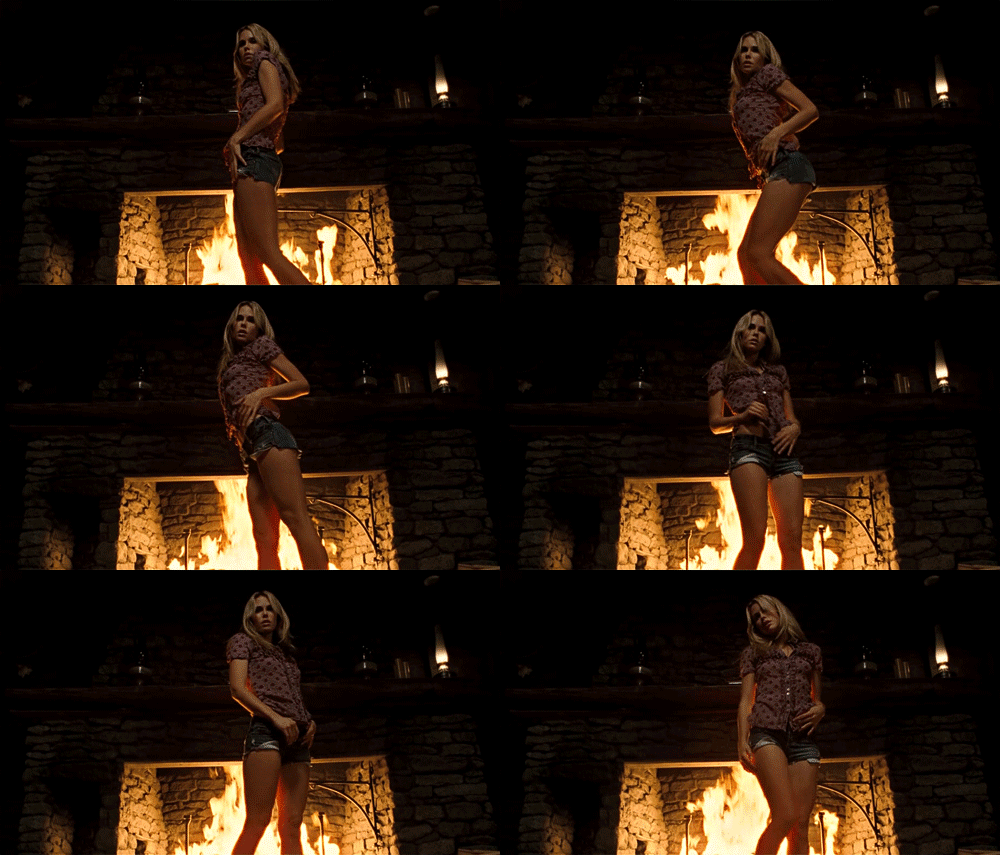 There aren’t an overly large amount of scenes
where camera angles or framing is necessarily done to suit the male audience.
However, Jules is never seen covered up in clothing although her first dress isn’t
really that provocative. Nevertheless, she is later seen dancing sexually in
short shorts with the camera pointing upwards and is then shot in a close up as
she makes out with the wolf head. In the woods she is seen with her shorts off
and then a close up of her face as she makes sexual noises. The camera
There aren’t an overly large amount of scenes
where camera angles or framing is necessarily done to suit the male audience.
However, Jules is never seen covered up in clothing although her first dress isn’t
really that provocative. Nevertheless, she is later seen dancing sexually in
short shorts with the camera pointing upwards and is then shot in a close up as
she makes out with the wolf head. In the woods she is seen with her shorts off
and then a close up of her face as she makes sexual noises. The camera then shows her, wearing nothing on her top half,
from the point of view of the ‘producers’ underground.
This puts the male viewers in the perspective of
the characters involved and does back up Laura
Mulvey’s theory. After that, however, no one
else is really sexualised although you could say
that the male audience may identify with Dana
and be rooting for her to survive (as one of the
‘producers’ underground actually says that he
is rooting for her too).
5. In the film we, as an audience are made to be
voyeurs when does this happen and why is it important in regards to
representation of character?

As I have just stated, the audience are made
to be voyeurs when Jules is undressing and is on top of her boyfriend in an
undressed state. You could also say that we are voyeurs when the zombie family
are throwing the bear trap at Jules and dragging her to them, and also when
they behead her. Earlier on in the film we are voyeurs from both Dana’s and
Holden’s perspective when they are looking through the mirror and Dana sees her
reflection but
Holden sees her looking at herself and starting
to undress.
Holden sees her looking at herself and starting
to undress.
6. Summarise the way women are represented in
CITW. Are they objectified and there to provide satisfaction for heterosexual
males and/or do they fulfill another role/purpose?

I think, especially for the plot of this
film, that the women in CITW fulfill another purpose other than simply
satisfying the heterosexual male audience. Yes, Jules is sexualised until her
death, but she does die very close to the beginning and they needed her to be
this sexualised female as it is the ‘whore’ that needs to die first. Dana isn’t
sexualised, and she is in the film until the end, so you could argue that this
film isn’t just there to satisfy the audience,
but to get across the plot in a better way. Although,
as I have already stated, it could still be to satisfy
the audience in the way that the heterosexual
male could identify with Dana as she is androgynous
and fights back, and they are rooting for her to win.
but to get across the plot in a better way. Although,
as I have already stated, it could still be to satisfy
the audience in the way that the heterosexual
male could identify with Dana as she is androgynous
and fights back, and they are rooting for her to win.
Thursday, 15 October 2015
The representation of women in horror
 1. Who wrote about the ‘Final Girl’ in 1992
-Carol Clover
2. In what book did they write about the ‘Final
Girl’?
- ‘Men, women and chainsaw’s
3. List three traits of the ‘Final Girl’/ three ‘conventions’
- Androgynous (name, clothing, hair etc.)
virginal and fights back.

4. Who wrote about the existing research on women’s
roles in media texts in 1983?
-Jeremy Tunstall
5. What were the four roles mentioned?
-Domestic (housewife)/ Marital (wife)/ Sexual
(an object)/ Consumer (who buys the product)
6. In 1992 research showed that men dominated
women on screen, but by what ratio?
-2:1

7. What was the only genre in which the ratio of
men to women was more equal?
-Adverts
8. Name one of three problems with the findings?
-Women were still shown more in the house
while men were shown outside doing active things rather than cleaning or
cooking.
9. Why does the reading suggest that Ripley
(Alien) is ‘more progressive’ than Lara Croft (TR)?
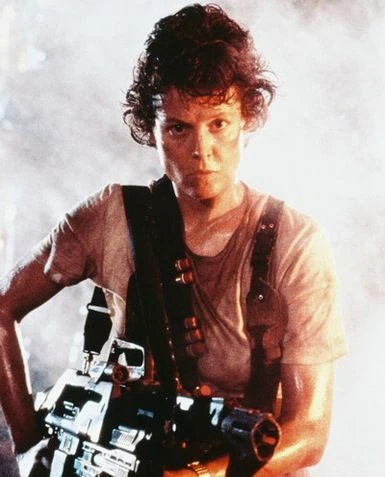
 -While both fight back, Sigourney Weaver is
less sexualised than Lara Croft and after fighting, Weaver actually looks like she has just been in a fight whereas Croft is still sexualised.
-While both fight back, Sigourney Weaver is
less sexualised than Lara Croft and after fighting, Weaver actually looks like she has just been in a fight whereas Croft is still sexualised.
10. What are the three C’s when discussing the
portrayal of women in some lifestyle magazines?
-Cooking, Cleaning and Caring
11. Who wrote ‘Visual Pleasure and Narrative
Cinema’?
-Laura Mulvey
12. (Briefly) describe what is meant by the ‘Male
Gaze’?
-The way media portrays women in a way to
appeal to the male audience. This can be achieved by camera angles (putting the audience in the perspective of a heterosexual showing
women in a sexual way or by the clothes they are dressed in.
13. Give an example:
-An example of this would be p.o.v camera
angles and reaction shots.
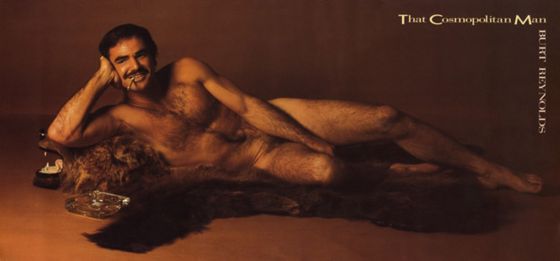 14. Which magazine removed the male centerfold in
the 1980’s and why?
14. Which magazine removed the male centerfold in
the 1980’s and why?
-Cosmopolitan removed their naked male centerfold after people found it
funny rather than sexualised, which
was the norm for that time.
funny rather than sexualised, which
was the norm for that time.
Monday, 12 October 2015
A History of Horror
Origin of Horror films
Stories of monsters, murderers and beasts have been around for ever, and the first horror films were an extension of a genre of literature (Bram Stoker's 'Dracula' and Mary Shelley's 'Frankenstein' for example) from the 1700's called Gothic Horror. These were developed by people in the UK and USA with 'Gothic' coming from settings of castles with secret passageways and dungeons.
The Silent Era-German Expressionism

This style of cinema, beginning in 1894, reached its peak in Berlin in the 1920's. Silent films largely appealed to the working class who were mostly illiterate as no words were used for them to understand.
In 1916, the German government banned all foreign films so Germany had to keep up with the demand from theaters itself and when the ban was lifted, Germany was part of the international film industry. From 1919-1933 (until Hitler cam to power)German film makers working for the Berlin-based Mega-studio UFA made a series of silent films.
An example of a German silent-era horror film is 'Nosferatu'. This film was shot in 1921 and released in 1922 and was an unauthorized version of Bram Stoker's 'Dracula' and ultimately its production company 'Prana Film' became bankrupt after Bram Stoker's wife sued them for copyright. It largely received good reviews with 'Vossische newspaper' praising it for its visual style.
Monsters and Mad Scientists

The 1930's saw the re-birth of horror films with monsters and mad scientists replacing the floating ghost imagery of the 1920's and with sound adding an extra dimension to the films. During this time there was a depression and horror films offered an 'escape' from real life as most of the horror films at this time were in the sub-genre of 'supernatural horror'. 'Frankenstein' is an example of a film form this era. It has Gothic and romantic elements and is considered to be one of the first science fiction films produced. It was a hugely popular and well-received film with 'Film Daily' calling it a 'gruesome, chill-producing and exciting drama that was produced intelligently and lavishly and with a grade of photography that is superb'.
 The Primal Animal Within
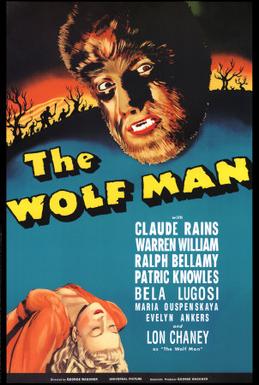
This era was in the 1940's during the Second World War. As horror was banned in Britain, America took over and Universal produced many horror films to keep the household population entertained. The War influenced the themes in these films and soon Wolves became a common theme as Hitler referenced the Nazis as Wolves himself. In old German, Adolf even means 'Noble Wolf' and propagandists even portrayed him as the 'Big Bad Wolf' in old fairy tales. 'The Wolf Man' (1941) was written by Curt Siodmak after escaping the Nazis and was turned into an American Drama Horror film. It was Universals second werewolf film and did better than the first one 'Werewolf of London'.
Mutant Creatures and Alien Invaders

In the 1940's-mid 1950's atomic bomb testing was taking place which may well have effected the type of horror films coming from this time. In 1950, a Japanese producer, Tanaka, made 'Godzilla' and since then it has become somewhat of an iconic mutant horror film and has seen many remakes. Space exploration was becoming more available, which scared the public and allowed producers a and writers to expand their imaginations and prey on the public's fears of the unknown.
Hammer Horror

Hammer studios is a British Production company that is well known for a series of Gothic-horror films. 'The Curse of Frankenstein' was one of their better known films and the use of colour saw new levels of gore. It reached $8 million in the USA.
Slasher
.jpg)
An example of a German silent-era horror film is 'Nosferatu'. This film was shot in 1921 and released in 1922 and was an unauthorized version of Bram Stoker's 'Dracula' and ultimately its production company 'Prana Film' became bankrupt after Bram Stoker's wife sued them for copyright. It largely received good reviews with 'Vossische newspaper' praising it for its visual style.
Monsters and Mad Scientists

The 1930's saw the re-birth of horror films with monsters and mad scientists replacing the floating ghost imagery of the 1920's and with sound adding an extra dimension to the films. During this time there was a depression and horror films offered an 'escape' from real life as most of the horror films at this time were in the sub-genre of 'supernatural horror'. 'Frankenstein' is an example of a film form this era. It has Gothic and romantic elements and is considered to be one of the first science fiction films produced. It was a hugely popular and well-received film with 'Film Daily' calling it a 'gruesome, chill-producing and exciting drama that was produced intelligently and lavishly and with a grade of photography that is superb'.
The Primal Animal WithinThis era was in the 1940's during the Second World War. As horror was banned in Britain, America took over and Universal produced many horror films to keep the household population entertained. The War influenced the themes in these films and soon Wolves became a common theme as Hitler referenced the Nazis as Wolves himself. In old German, Adolf even means 'Noble Wolf' and propagandists even portrayed him as the 'Big Bad Wolf' in old fairy tales. 'The Wolf Man' (1941) was written by Curt Siodmak after escaping the Nazis and was turned into an American Drama Horror film. It was Universals second werewolf film and did better than the first one 'Werewolf of London'.
Mutant Creatures and Alien Invaders

In the 1940's-mid 1950's atomic bomb testing was taking place which may well have effected the type of horror films coming from this time. In 1950, a Japanese producer, Tanaka, made 'Godzilla' and since then it has become somewhat of an iconic mutant horror film and has seen many remakes. Space exploration was becoming more available, which scared the public and allowed producers a and writers to expand their imaginations and prey on the public's fears of the unknown.
Hammer Horror

Hammer studios is a British Production company that is well known for a series of Gothic-horror films. 'The Curse of Frankenstein' was one of their better known films and the use of colour saw new levels of gore. It reached $8 million in the USA.
Slasher
Slasher horror films are a sub genre that involve a violent psychopath and include the violent murder of several victims. Alfred Hitchcock's 'Psycho' is referred to as one of the earliest influential slasher movies. Many believe that this genre reached its peak in the 1970's-1980's. In slasher films you normally have character types that can be seen in all slashers. There would be a 'Final Girl' who is virginal and thwarts the killer, the killer (normally a psychopath), the sexualised girl (who often dies first) and the jock who tried to be the hero. The Texas Chainsaw Massacre was another successful hit and it is the most commercially successful horror film since the Exorcist.
Format fears and moral panics

Format fears and moral panics
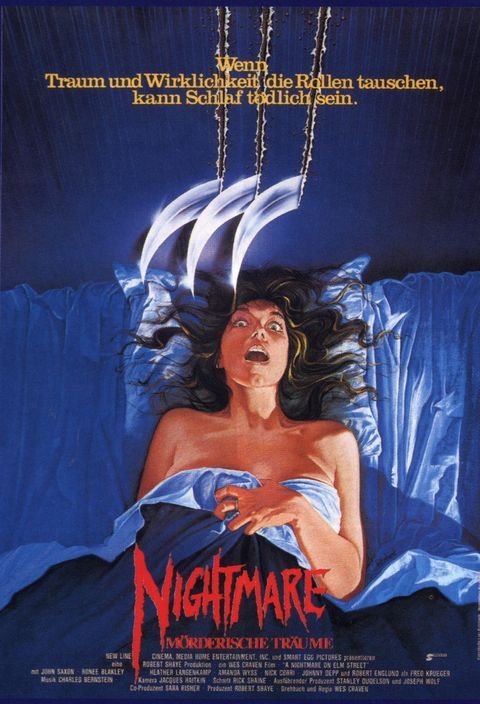
The 'video nasties' of the 1980's included films like Nightmare on Elm Street, I spit on your Grave and The Evil Dead. These types of film included cannibalism, mutilation of bodies and gang rape. These films were banned, but they were still distributed widely and were available for anyone who had a VCR player, which spun the public into a panic that they were corrupting the nation's young minds. With technology advancing a lot in this era, new effects made it possible for the gore to seem more realistic.

The ironic HorrorThe iconic horror film is 'aware' of itself in the way it knows the codes and conventions of typical horror films and uses them to create a parody. These films were from the 1990's which was, in society, all about people 'finding' themselves and as teenagers began to be looked upon more importantly, they were used more in horror films. Films from this era include- The Blair Witch Project and Scream.
Gorenography-Gore returns with a vengeance
 This era is in the 2000's and is also known as 'torture porn'. Some say the act of torture goes against the highest power and creates absolute dominance for the person doing the torturing. Edelstein suggested that we watch these type of horrors for a physical rather than emotional reaction. Hostel and Wolf Creek both showed graphic scene of torture and suddenly made horror films seem very 'real'. However, this kind of horror film may have fizzled out- Hostel 2 making $million less than Hostel 1.
Thursday, 1 October 2015
Narrative Theory in Relation to Halloween and The Crazies
CHN
CHN or 'Classical Hollywood Narrative' is a narrative structure largely used in western films today. It has a clear beginning, middle and end. This corresponds to Tzvetan Todorov's narrative theory. Todorov was a Bulgarian Structualist Linguist and came up with the theory that stories begin with an equilibrium (status quo) which is then disrupted by a disequilibrium and then resolved to create a new equilibrium. I think the CHN is quite important to look at as you can see aspects of it in pretty much everything, and i think that understanding the basis of CHN sets you up for understanding media texts.
'Halloween' is an example of a film that doesn't follow this narrative structure. At the beginning you have a disequilibrium comes in the form of Michael Myers killing his sister which is not how a typical CHN would begin. However, it then goes into the future in which we are shown an equilibrium of everyday life. This is then disturbed when Myer's escapes and starts killing people. He is finally caught and shot and the killings stop, but we aren't shown what happens after he disappears, but we can assume there is now an equilibrium as the killings have stopped but it is an uneasy equilibrium in the way that you don't know when he is going to come back. I think the reason this doesn't follow the CHN is because it is a horror film and they can somehow get away with it due to the fact that people don't really want to see a nice ending to a horror film.
Character Types-Propp
Vladimir Propp was a Russian critic who lookeed at 100's of examples of folk stories to see if they followed any of the same structures. After this, he identified 8 character types and 31 narrative functions. Below are the 8 character types:
-The villain(s)-the baddie
-The hero-main protagonist and victor
-The donor-provides an object with some magical property
-The helper-aids the hero
-The princess-sought after person and reward for the hero
-Her father- who rewards the hero
-The dispatcher-who sends the hero on his way
-The false hero-the double agent who hinders the hero instead of helping him
In Halloween the villain is obviously evident in the form of Michael Myers and the hero is Laurie. Although some may say she is the princess as she needs saving towards the end, she does fight back and is smart and aware so she doesn't need saving as much as a typical 'princess' character type would. The helper would probably be DR. Loomis as he knows about Myers and looks for him and wants him to be caught, and ultimately, he is the one who saves Laurie.
Binary Opposition
Binary opposition are the sets of opposite values that reveal the structure of media texts. Claude Levi-Strauss proposed this theory and it is quite important as we make connections. They found in Sci-fi films, for example, that the main pattern of binary oppositions were Human vs Alien/ Earth vs Space and Good vs Evil. You can apply this to any genre which does, in turn, help you understand the text.
5 examples of this in Halloween are-
-Good vs Evil (Laurie vs Michael)
-Past vs Present (You see Michael killing his sister and then it jumps forward to the present times)
-Unknown vs Known (The known is that a killer is on the loose although even that is found out late into the film, but then unknown is whether he is supernatural as he doesn't die when he is shot several times)
-Smart vs Stupid (Laurie is smart and logical and ends up surviving yet her friends all die as they are distracted)
-Innocence vs not innocent (Laurie is virginal and innocent in many ways and lives whereas her sexually active friends all die)
-Her father- who rewards the hero
-The dispatcher-who sends the hero on his way
-The false hero-the double agent who hinders the hero instead of helping him
In Halloween the villain is obviously evident in the form of Michael Myers and the hero is Laurie. Although some may say she is the princess as she needs saving towards the end, she does fight back and is smart and aware so she doesn't need saving as much as a typical 'princess' character type would. The helper would probably be DR. Loomis as he knows about Myers and looks for him and wants him to be caught, and ultimately, he is the one who saves Laurie.
Binary Opposition
Binary opposition are the sets of opposite values that reveal the structure of media texts. Claude Levi-Strauss proposed this theory and it is quite important as we make connections. They found in Sci-fi films, for example, that the main pattern of binary oppositions were Human vs Alien/ Earth vs Space and Good vs Evil. You can apply this to any genre which does, in turn, help you understand the text.
5 examples of this in Halloween are-
-Good vs Evil (Laurie vs Michael)
-Past vs Present (You see Michael killing his sister and then it jumps forward to the present times)
-Unknown vs Known (The known is that a killer is on the loose although even that is found out late into the film, but then unknown is whether he is supernatural as he doesn't die when he is shot several times)
-Smart vs Stupid (Laurie is smart and logical and ends up surviving yet her friends all die as they are distracted)
-Innocence vs not innocent (Laurie is virginal and innocent in many ways and lives whereas her sexually active friends all die)
Horror Genre Chart
Setting
 The setting of horror films seem to follow a similar trend. Below is a list of typical horror film settings:
1)Creepy cabin in the woods
2)largely at night time
3)Isolated places e.g. Desert, mountainous areas, forests
4)Small town/suburbs
5)Sight of a previous accident/scene of horrific crime

6)Haunted house
7)Graveyard
8)Theme park/carnival
9)Campsite
10)Hospital
11)Near a body of water e.g. Lake/Ocean
Technical codes
Technical codes (lighting/mise en scene/framing/cropping) play an important role in all films, including horror. Technical codes of horror films include:
 1)Low-key lighting for atmosphere
2)Mise en scene for horror films would generally include:
-Creepy setting
-fiery effects (explosions)

- Weapons (knives/chainsaws/guns etc)
-Family heirloom or old artifact
3)Camera shots are used to narrate what the characters don't say themselves and to put the audience in their shoes:
 -Low angle shots are used to give the impression that the character they are focusing on is more powerful in that situation.
-High angle shots are the reverse- they make the character appear less powerful.
-Cropping allows the audience to see only what the character does and limits what they can see of the surrounding are- this makes for better jump-scares as they can't see what is coming.
-Likewise, it also sometimes allows us to see what the character themselves cant see, creating tension and want in the audience to let the character know.

 Iconography
Sharp blades (knives/chainsaws etc) come hand-in-hand with blood and are highly iconographical of horror movies. They connote danger and death and are almost always wielded by a villain (usually a psychopathic killer) or connote protection (usually by the victims trying to save themselves). Guns are less familiar to the horror genre than hey are to action films as the killers in horror films usually want to induce as much pain on their victims as possible so opt for using blades (usually kitchen or garden implements).
Narrative
 The narrative of horror films usually goes like one of the options below:
1)Typical of 'slasher' horrors:
-Traumatic event creates psychopathic killer
-A group of obnoxious teens go to a secluded spot to party/get away
-Killer stalk and kills them graphically
-Virginal girl (final girl) survives to thwart killer
-Killer is never fully killed (maybe end shot of back of killer or them stalking new victims)
2) Typical of supernatural horrors:
-Family move into new house
 -Strange things start happening
-Research and find out the house has a horrific history
-Happenings get worse
-Call in a medium/priest
-Thwart evil in the house
-New equilibrium (however sometimes the evil still remains whether that is inside the house or in the body of one of the characters)
3) Typical of Zombie horrors

-Scenes of everyday life
-Disrupted by outbreak of disease
-Follows a character/characters through surviving the new, normally isolated, world as they battle the infected
-Come face to face with a problem
-Resolution
-World is either saved or ends with the character(s) carrying on to survive
Characters
In horror films you tend to have the same type of characters re-used over and over. Here are a few:

The killer- usually a psychopath of some sort. The killer is usually traumatized by a past event from their childhood which turns them into this psychotic killer. Nearly all killers in horror films wield a blade of some sort (Freddie Kruger has his knives, Ed Gein-Texas chainsaw massacre- has his chainsaw etc). They normally stalk their victims for a while before killing them and normally go after individuals rather than a whole group at once. In most films (especially films with planned sequels) the killer is deemed immortal- all efforts to kill him are useless.

The jock- Usually a fit male character with the gorgeous girlfriend. He may be a bit of a player and is usually quite cocky and jokes around. This character tends to try and save
everyone but in doing so, dies themselves.
The attractive (somewhat of a 'get around') female character-
This female role is usually sexualised a lot, and although they
are usually dating the Jock, they are portrayed as being somewhat
of a get around and is very flirtatious. This girl is almost always
the first to die (usually as she is distracted by sex).
The virginal ('final girl')- This girl is hardly
sexualised and is normally the last to die or is
the only one who survives. This is due to the
fact that she is often more observant than the
others and often has quite manly yet feminine
traits too. She is often the one to try and thwart
the killer and she actually manages to outrun them
and fight back.
Themes
Typical themes in horror films are as follows:

Supernatural/demonic- A lot of horror films have a supernatural theme to them so ghosts and poltergeists, but they also have a lot of demonic possessions too.
The evil within- Like the last point, a lot of horrors have something to do with someone who is possessed or a demon inside.
Binary oppositions- Binary oppositions play a big part in horror films as you can have Good vs Evil/Known vs Unknown/ Human vs Alien etc.
Characters
In horror films you tend to have the same type of characters re-used over and over. Here are a few:

The killer- usually a psychopath of some sort. The killer is usually traumatized by a past event from their childhood which turns them into this psychotic killer. Nearly all killers in horror films wield a blade of some sort (Freddie Kruger has his knives, Ed Gein-Texas chainsaw massacre- has his chainsaw etc). They normally stalk their victims for a while before killing them and normally go after individuals rather than a whole group at once. In most films (especially films with planned sequels) the killer is deemed immortal- all efforts to kill him are useless.

The jock- Usually a fit male character with the gorgeous girlfriend. He may be a bit of a player and is usually quite cocky and jokes around. This character tends to try and save
everyone but in doing so, dies themselves.
The attractive (somewhat of a 'get around') female character-
This female role is usually sexualised a lot, and although they
are usually dating the Jock, they are portrayed as being somewhat
of a get around and is very flirtatious. This girl is almost always
the first to die (usually as she is distracted by sex).
The virginal ('final girl')- This girl is hardly
sexualised and is normally the last to die or is
the only one who survives. This is due to the
fact that she is often more observant than the
others and often has quite manly yet feminine
traits too. She is often the one to try and thwart
the killer and she actually manages to outrun them
and fight back.
Themes
Typical themes in horror films are as follows:
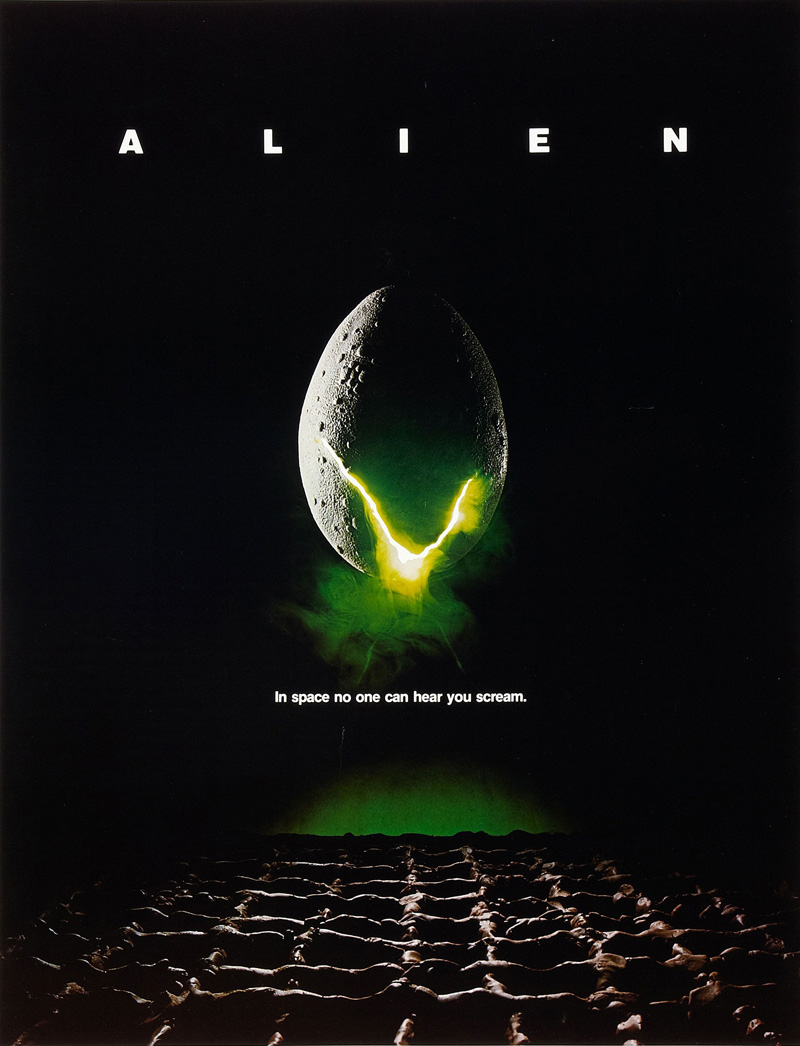
Supernatural/demonic- A lot of horror films have a supernatural theme to them so ghosts and poltergeists, but they also have a lot of demonic possessions too.
The evil within- Like the last point, a lot of horrors have something to do with someone who is possessed or a demon inside.
Binary oppositions- Binary oppositions play a big part in horror films as you can have Good vs Evil/Known vs Unknown/ Human vs Alien etc.
Narrative structures and The Crazies (Eisner, 2010)
1. Does the
crazies follow the CHN? Why or why not?

The Crazies doesn’t really follow the CHN as it starts
with a disruptive scene instead of one showing equilibrium. It then goes back
to an equilibrium and follows the CHN until the end as it appears to be a new
equilibrium but then it turns out to be an unhappy ending instead of a happy
one you would expect with the CHN. This is mainly because it is a Horror film
and with the horror genre you don’t expect the ending to be happy.
2. How many of
Propp’s character types can be identified in the film?
This film doesn’t really seem to have many main
characters, so you can only identify about four:

The Hero- David (He
tries to stop the water flow to the town and he goes back to save his wife)
 The Princess- Some would
argue that any innocent people are the ‘princess’ as they all need saving, but
you could say that Judy is a princess as she needs saving from the school, but
then she is a Doctor meaning she is smart and is quite aware of what is going
on.
The Princess- Some would
argue that any innocent people are the ‘princess’ as they all need saving, but
you could say that Judy is a princess as she needs saving from the school, but
then she is a Doctor meaning she is smart and is quite aware of what is going
on. The helper- You could
say Russell is the helper as he saves David a few times and gives him the
rifle.
The helper- You could
say Russell is the helper as he saves David a few times and gives him the
rifle.
The false hero- Again,
Russell could be used for this character too as he does help the others but
then some actions (due to the disease) means that he ends up hindering the
other’s survival. However, he does save David when he is in the nursery and he
does draw the military’s attention away from Judy and David by sacrificing
himself so that they can escape.
 The Villain- There isn’t one prominent villain
as such, but you could say the Government is the ‘bad guy’ because they are the
ones who manufactured this bio-weapon and are the ones killing innocent people.
The Villain- There isn’t one prominent villain
as such, but you could say the Government is the ‘bad guy’ because they are the
ones who manufactured this bio-weapon and are the ones killing innocent people.
3. List five
examples of binary oppositions in the film and explain them briefly.
 Good and bad- This could
be the innocent people of the film against the Government and, even though it
isn’t their fault, the crazy people.
Good and bad- This could
be the innocent people of the film against the Government and, even though it
isn’t their fault, the crazy people. Known and unknown- The
characters know people are getting sick but they don’t know why until later on
in the film. Even then, when they find out why, they don’t know if it really
has gone airborne or not.
Known and unknown- The
characters know people are getting sick but they don’t know why until later on
in the film. Even then, when they find out why, they don’t know if it really
has gone airborne or not.
Infected and Uninfected- This could
be another binary opposition as, while the majority of the film is involving
the government, the main fight for the uninfected people is the infected people
and trying to survive.
 Government and civilians- The main
underlying fight is between the government and the civilians of Ogden Marsh
seeing as the government are the people that started this whole thing off and
the civilians are the ones who had the fallout from it.
Government and civilians- The main
underlying fight is between the government and the civilians of Ogden Marsh
seeing as the government are the people that started this whole thing off and
the civilians are the ones who had the fallout from it.
4. Give three ‘duration's’
and give an estimate of the time each duration covers.

A couple of years- Even
though we don’t see it, for a biological weapon to be manufactured, it would have taken
at least a couple of years in order to manufacture it and study it and test it.
This is the story duration.
3 days- The actual
film that we see (the plot duration) is set over about three days from the
first event on the rounder’s pitch, to when the city is destroyed and David and
Judy make it to the next town.
101 minutes- This is the screen
duration, meaning the actual film running time.
5. Give two
examples of events that cause later events in the film but which occur before
the film ‘starts’.

The making of the biological weapon- This is one of the main
events that happen as it is where this all began. Even though we didn’t see this
actually happen, we know it did because we are told about it in the film.
The plane crashing- Like the making of the weapon, we are only told about
the plane crashing and don’t witness the event ourselves. We do however see the
plane wreck under the surface of the water and see the damage it does when its
load is leaked into the water source.
6. List two
events from the 92 minute that happen in a different time and space to the one
we are shown.
 Russell escaping the quarantine and preparing to leave the town- We don’t see
Russell being infected and we don’t see him escaping from the quarantine area,
but we see, from Judy’s point of view, a car knocking down the fence where
people are quarantined and everyone escaping, which Russell refers to later on.
He also says about his van tires being spiked and he looks for water in his
van, meaning he must have escaped and gone home and stocked up his van in order
to leave Ogden Marsh.
Russell escaping the quarantine and preparing to leave the town- We don’t see
Russell being infected and we don’t see him escaping from the quarantine area,
but we see, from Judy’s point of view, a car knocking down the fence where
people are quarantined and everyone escaping, which Russell refers to later on.
He also says about his van tires being spiked and he looks for water in his
van, meaning he must have escaped and gone home and stocked up his van in order
to leave Ogden Marsh.
The uninfected people being shot and burnt- We don’t actual see any of the people, who are supposedly uninfected, get shot and burnt, but when Judy and David return to the gas station they find shell casings scattered on the floor and burnt bodies in the back of the trucks with the wristbands that the uninfected were wearing.
Subscribe to:
Posts (Atom)